
Phil Okose, Onitsha
Facts emerged Sunday why Igbo youths have rejected military enlistment despite the unemployment issue in the country and pleas by elder statesmen, Federal Government and stakeholders.
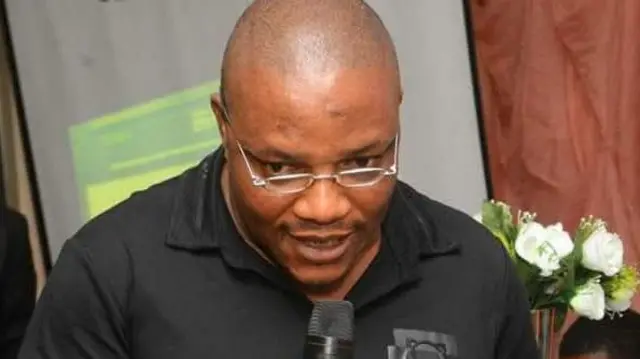
Giving the reason for the rejection, the chairman of a civil society organization, International Society for Civil Liberties and the Rule of Law, (Intersociet), Comrade Emeka Umeagbalasi, stated that, extra judicial killings, random military arrest of youths in Southeast, among others are some of the reasons.
According to Umeagbalasi, “Over 6,000 families in the South-East are still searching for their sons, daughters and other relatives who were allegedly arrested by security agents.
In a press release signed by Umeagbalasi, and Prof Justin Akujieze, President and Chairman of the Board of Ekwenche Research Institute, Chicago, they said findings indicated that arrested persons were usually taken away and branded members or supporters of the Indigenous People of Biafra, IPOB, or their militant arm, Eastern Security Network, ESN.
According to the release, the development contributed to the growing reluctance among families in the region to allow their children of military recruitment age to enlist in the Nigerian Armed Forces.
The release read in part thus, “It is in totality of the above that tens of thousands of Igbo Land South-East families withdraw from giving their beloved sons and daughters of military recruitment age and academic and professional qualifications permission to be enlisted into the Nigerian Armed Forces.
“Earlier investigations indicated that about 5,000 other South-East civilians have remained untraced after alleged arrests or abductions between August 2015 and December 2019.
“Some of the missing persons were transferred to detention facilities in Northern Nigeria, including the WAWA Military Cantonment in Niger State, without their families being informed of their whereabouts or being granted access to them.
“About 70 per cent of the more than 6,000 persons allegedly missing since January 2021 were taken by military personnel, while the remaining cases were attributed to police crack squads and the State Security Service.
“These disappearances have created a climate of fear among families and has affected their attitudes towards military recruitment.”
The release demanded from Defence Headquarters and other security agencies to provide details of persons arrested or killed during military operations, including their identities, locations of detention, circumstances of arrest and, where applicable, circumstances surrounding their deaths.
It called for independent judicial commissions of inquiry in the South-East to investigate alleged disappearances, extrajudicial killings and other abuses dating back to 2015.