Nkechi David Iwuchukwu, Awka
The Nigerian Content Development and Monitoring Board (NCDMB) has called on media practitioners in Anambra State to become active advocates of Nigerian Content development by creating greater public awareness of the enormous opportunities available to Nigerians in the nation’s oil and gas industry.
The Board stressed that effective media engagement remains critical to ensuring that indigenous businesses, professionals, entrepreneurs and host communities understand and benefit from the Federal Government’s local content policies.
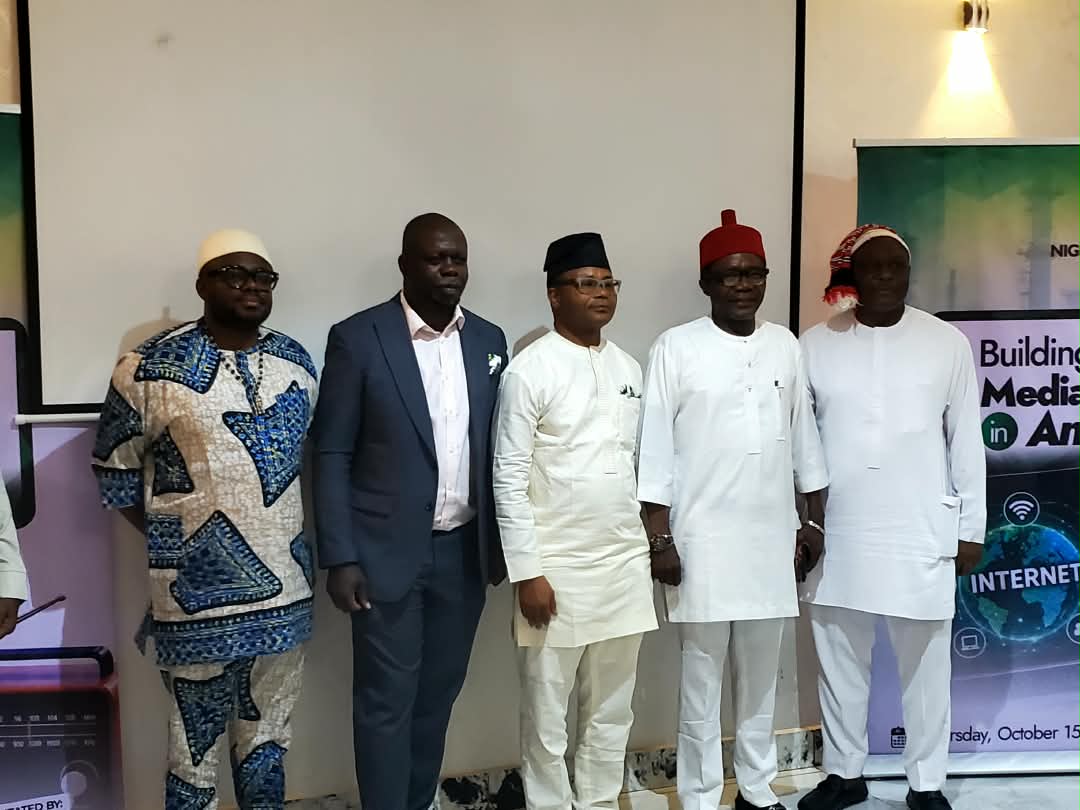
The General Manager, Corporate Communications of NCDMB, Dr Obinna Ezeobi, made the appeal during the Nigerian Content Capacity Building Workshop for media stakeholders held on Thursday, October 15, 2026, at Golden Tulip Hotel, Awka, Anambra State.
The workshop, which brought together journalists, editors and other media stakeholders, provided a platform for discussions on the Board’s mandate, achievements, industry opportunities and the strategic importance of Nigerian Content in driving sustainable economic development.
Ezeobi urged journalists to go beyond conventional reporting by educating the public on the various interventions, programmes and opportunities being created through the implementation of the Nigerian Oil and Gas Industry Content Development (NOGICD) Act, 2010.
He explained that the media remained an indispensable partner in promoting transparency, encouraging indigenous participation and ensuring that the benefits of Nigeria’s petroleum resources translated into meaningful economic opportunities for citizens.
According to him, increased awareness of Nigerian Content activities would enable more Nigerians, particularly youths, skilled professionals and small and medium-scale enterprises, to identify opportunities within the oil and gas value chain.
He further encouraged media organisations to deepen their understanding of the industry, highlight opportunities for indigenous participation and draw attention to issues requiring regulatory intervention.
The NCDMB spokesperson noted that Anambra occupies an important position in Nigeria’s industrial and commercial landscape, making effective communication of local content opportunities particularly relevant to the state’s entrepreneurial population.
He maintained that the successful implementation of Nigerian Content policies requires sustained collaboration among government institutions, industry operators, host communities and the media.
A major highlight of the workshop was a panel discussion themed “Nigerian Content as a Catalyst for Sustainable Community Development.”
The discussion featured four senior officials of the Board, namely:
Mr Omomehin Ajimijaye, Director, Planning, Research and Statistics.
Mr Ifeanyi Ukoha, General Manager, Zonal Coordination.
Dr Obinna Ezeobi, General Manager, Corporate Communications.
Engr Emmanuel Umeanya, Manager, Monitoring and Evaluation.
The panel provided a platform for examining the relationship between Nigerian Content implementation, indigenous capacity development and the long-term economic advancement of communities.
Central to the discussion was the importance of ensuring that the oil and gas industry contributes to national development beyond crude oil production and revenue generation.
The theme also brought into focus the need to strengthen local enterprises, encourage skills acquisition, expand employment opportunities and promote the participation of Nigerian professionals and businesses in industry operations.
These objectives are particularly significant for communities seeking to translate the presence of oil and gas resources into sustainable economic benefits.
The engagement equally highlighted the importance of effective monitoring, research, institutional coordination and public communication in achieving the objectives of the Nigerian Content policy.
For Anambra, a state widely recognised for its commercial enterprise, manufacturing activities and growing interest in oil and gas development, the workshop provided an opportunity to strengthen awareness of emerging investment and employment prospects within the petroleum industry.
The Nigerian Content Development and Monitoring Board is a Federal Government regulatory agency established under the Nigerian Oil and Gas Industry Content Development Act, which was signed into law on April 22, 2010, by former President Goodluck Jonathan.
The establishment of the Board marked a significant turning point in Nigeria’s efforts to increase indigenous participation in an industry historically dominated by foreign expertise, imported equipment and international service providers.
Before the enactment of the legislation, Nigeria’s petroleum sector relied substantially on foreign companies for engineering, fabrication, procurement, technical services and other critical operations.
Consequently, a considerable proportion of expenditure associated with petroleum projects flowed outside the country, limiting opportunities for indigenous companies, skilled workers and local manufacturers.
The Nigerian Content policy was therefore introduced to reverse this trend by creating an enabling environment for Nigerian companies and professionals to participate meaningfully in the oil and gas industry.
The Board is responsible for developing, monitoring, coordinating and implementing the provisions of the NOGICD Act.
Its statutory responsibilities include reviewing and approving Nigerian Content plans submitted by operators, setting minimum local content requirements, monitoring compliance, developing indigenous technical capacity and encouraging the utilisation of locally manufactured goods and services.
It also facilitates research, training, infrastructure development and partnerships aimed at strengthening Nigeria’s industrial competitiveness.
The Board’s broader vision is to make the oil and gas industry a catalyst for national industrialisation through increased utilisation of Nigerian human resources, materials, equipment and services.
One of the major instruments supporting the Board’s activities is the Nigerian Content Development Fund (NCDF).
Established under Section 104 of the NOGICD Act, the fund is financed through a statutory one per cent deduction from the value of qualifying upstream oil and gas contracts.
The fund provides a financing mechanism for programmes and interventions designed to strengthen indigenous capacity and improve Nigerian participation in the industry.
Through its development initiatives, the Board seeks to address some of the challenges confronting indigenous service providers, including limited access to finance, inadequate technical capacity and difficulties associated with competing for major industry contracts.
Its activities also extend to human capital development, research and innovation, local manufacturing, technical training and the development of facilities capable of supporting petroleum operations.
The significance of the NCDMB engagement in Anambra extends beyond the immediate interests of petroleum-producing communities.
As a major commercial and industrial centre in the South-East, Anambra possesses a substantial concentration of entrepreneurs, manufacturers, artisans, engineers and small-scale businesses whose expertise could contribute to Nigeria’s oil and gas supply chain.
Opportunities within the industry are not restricted to crude oil exploration and production.
They extend to fabrication, transportation, logistics, equipment maintenance, construction, information technology, catering, manufacturing, environmental services and several other supporting activities.
Improved awareness of these opportunities could encourage more indigenous enterprises to develop the technical and operational capacity required to participate in the industry.
It could also inspire young Nigerians to acquire relevant skills and professional qualifications that would improve their competitiveness in the petroleum sector.
For the media, the challenge remains translating technical industry policies into accessible information that ordinary citizens and businesses can understand and utilise.
The Awka workshop forms part of NCDMB’s wider stakeholder engagement initiatives aimed at strengthening public understanding of the Nigerian Content policy and promoting greater participation in the oil and gas industry.
The Board has consistently recognised communication and stakeholder collaboration as important instruments for advancing the objectives of the NOGICD Act.
Its engagement with journalists is therefore intended not only to improve industry reportage but also to strengthen public accountability and encourage informed participation in the opportunities created by the local content framework.
With Nigeria seeking to expand domestic production, deepen industrialisation and create sustainable employment, the role of Nigerian Content in retaining economic value within the country has become increasingly important.
The message from the Awka engagement underscores the need for a stronger partnership between the NCDMB and the media in ensuring that the opportunities generated by Nigeria’s oil and gas resources are widely communicated and translated into tangible benefits for businesses, professionals and communities.
For Anambra journalists, the Board’s appeal represents a call to place Nigerian Content development firmly on the media agenda and help connect citizens with opportunities in one of the country’s most strategic economic sectors.
For a better society
_______________________________
Follow us across our platforms:
Instagram – https://www.instagram.com/championnewsonline/
Facebook – https://web.facebook.com/championnewsonline
LinkedIn – https://www.linkedin.com/company/champion-newspapers-limited/
https://x.com/championnewsng/
You can also like and comment on our YouTube videos.
https://youtu.be/QIBfD1tT80w?si=R4Qf3so2LxYu3GC2