Williams Akpan, Calabar
The Cross River State Government and the United Nations Children’s Fund (UNICEF) have intensified efforts to protect children from malnutrition through an intervention targeting the first 1,000 days of life, a period experts consider critical to their growth and development.
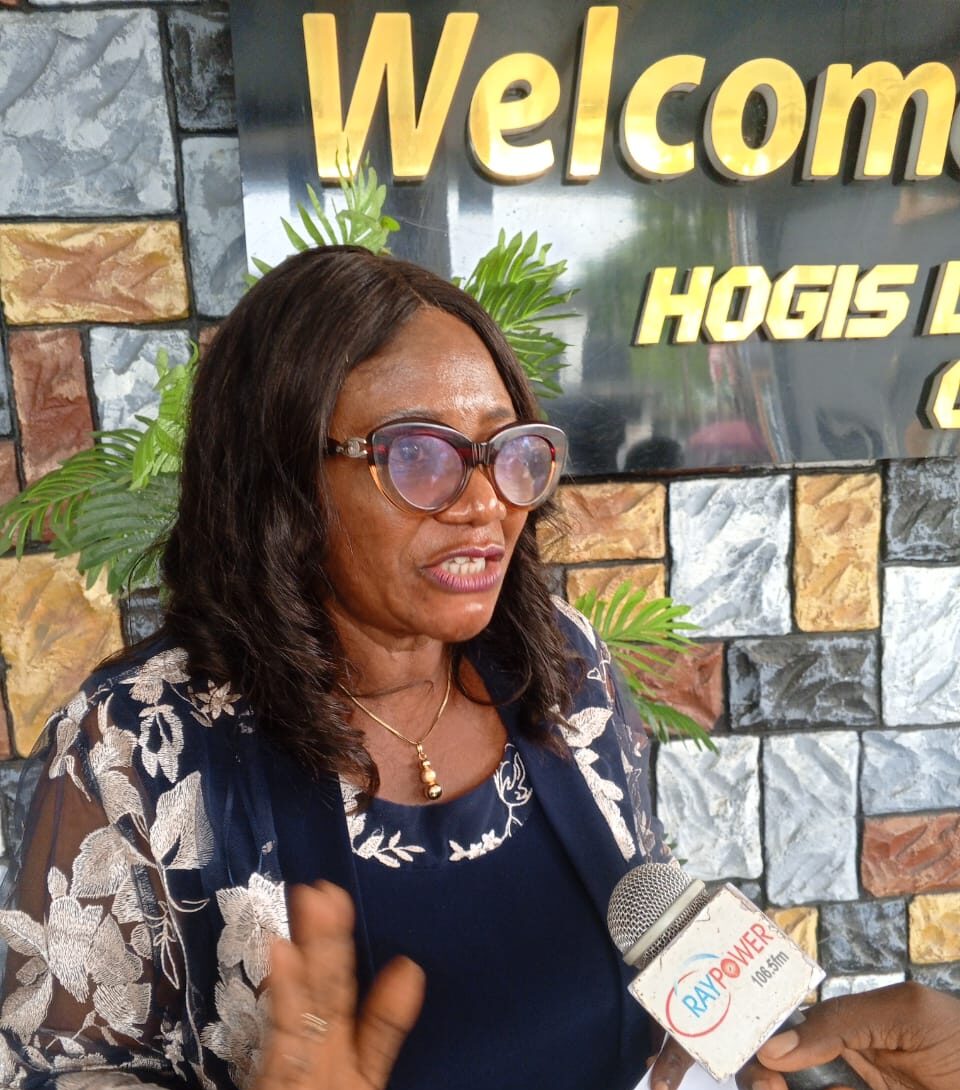
The initiative was discussed at a one-day high-level stakeholder engagement organised by the Cross River State Planning Commission in collaboration with UNICEF at Hogis Royale Suite, State Housing Estate, Calabar, on Wednesday.
Supported by Latter-day Saints Charities (LDSC), UNICEF and the state government, the programme seeks to improve nutrition from conception until a child reaches the age of two through better feeding practices, stronger healthcare delivery and improved government commitment.
UNICEF Nutrition Specialist at the Enugu Field Office, Ngozi Onuora, said Cross River was selected in June 2026 alongside five other states for the intervention, with nine local government areas identified for implementation.
“That first 1,000 days of life spans from the period of conception, when a woman gets pregnant, throughout her pregnancy and childbirth, until the child’s second birthday,” Onuora said.
She explained that the engagement was designed to familiarise local government chairmen, representatives of the Association of Local Governments of Nigeria, policymakers and relevant ministries and agencies with the project’s objectives and implementation responsibilities.
According to Onuora, involving government officials and community-level stakeholders would promote ownership of the programme and ensure that planned activities reached the selected local government areas.
Onuora acknowledged improvements in Cross River’s nutrition indicators but warned that more work was needed to protect children from the consequences of inadequate nutrition.
“Although the rate has improved to 21 per cent, it is still very high, meaning that about one in every five children in Cross River State is affected by stunting,” she said, referring to the decline from 23 per cent in the 2018 National Demographic and Health Survey to 21 per cent in 2024.
She also reported an improvement in minimum dietary diversity, which measures whether children receive foods from an adequate variety of food groups.
The indicator rose from 28 per cent in 2023 to 51 per cent, although poor infant feeding remained a concern.
“About 80 per cent of children between zero and six months do not receive appropriate breastfeeding, and this is one of the problems the project seeks to address,” Onuora said.
To reverse the trend, she said the intervention would strengthen healthcare workers’ capacity, support mothers and caregivers, encourage early initiation of breastfeeding and promote exclusive breastfeeding during the first six months of life.

The programme would also promote appropriate complementary feeding from six months, dietary diversity, household gardens, community gardens and small livestock production to improve access to nutritious food and strengthen family livelihoods.
Lead facilitator, Ada Ezeogu, an independent consultant and nutrition specialist, said good nutrition required more than making food available, stressing the importance of appropriate caregiving and a healthy environment.
“You need the food, you need the caring practices, and then you need the healthy environment, which has to do with sanitation and health facilities,” Ezeogu said.
She urged caregivers to provide pregnant women with nutritious diets, antenatal care and recommended supplements, including iron and folic acid, while ensuring that children received appropriate foods as they grew.
Representing the Ogoja Local Government Chairman, Chief Hon. Chris Agbeh, the council’s Secretary, Chief Alex Atem, described the engagement as educational and called for practical action beyond discussions.
“The event has been impactful and educative because it discussed the first 1,000 days of life and the attention every child deserves during this critical period,” Atem said.
Atem stressed the need for training, monitoring and implementation, while Onuora urged state and local governments to mobilise domestic resources and contribute to the Child Nutrition Fund, whose matching-fund mechanism can support the procurement of nutrition commodities.
The engagement brought together policymakers, nutrition specialists, local government chairmen and vice chairmen, and other stakeholders to discuss strategies for preventing malnutrition and improving maternal and child health across Cross River State.
For a better society
_______________________________
Follow us across our platforms:
Instagram – https://www.instagram.com/championnewsonline/
Facebook – https://web.facebook.com/championnewsonline
LinkedIn – https://www.linkedin.com/company/champion-newspapers-limited/
https://x.com/championnewsng/
You can also like and comment on our YouTube videos.
https://youtu.be/QIBfD1tT80w?si=R4Qf3so2LxYu3GC2