
Williams Akpan, Calabar
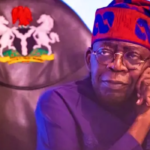
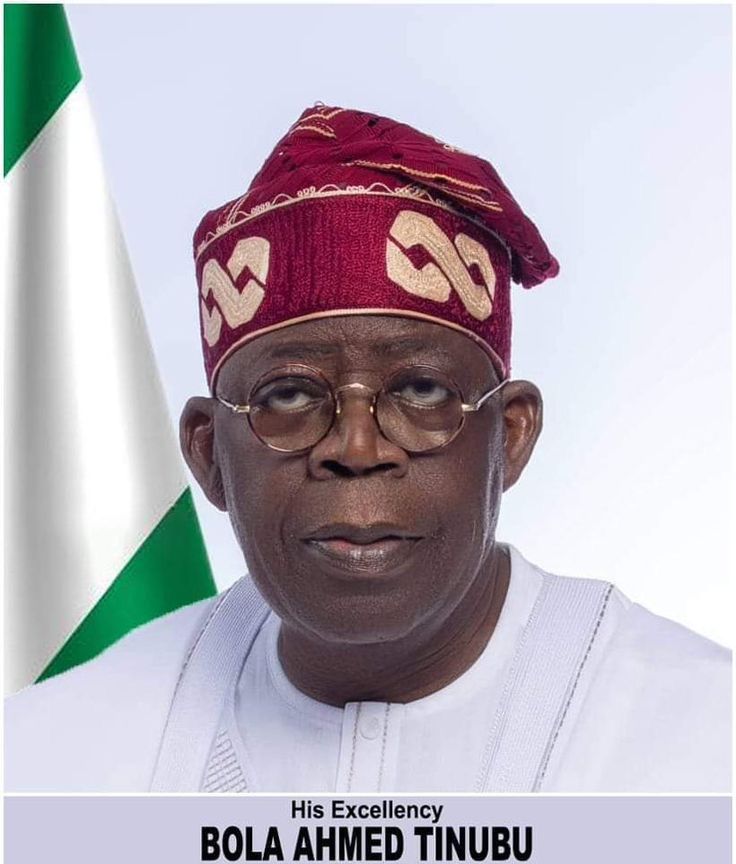
As conversations surrounding Nigeria’s 2027 general election gradually gather momentum, many citizens across different social and economic groups are openly assessing the performance of President Bola Ahmed Tinubu’s administration and debating whether the country’s current trajectory justifies a renewal of his mandate.
From courtrooms to lecture halls, and from motor parks to bustling markets, opinions remain sharply divided.
While supporters of the administration argue that difficult reforms were necessary to rescue the economy from long-standing structural distortions, critics insist that the policies have inflicted unbearable hardship on ordinary Nigerians without delivering the promised improvements in security, electricity supply and living standards.
A cross-section of Nigerians interviewed expressed disappointment over what they described as worsening economic conditions, rising insecurity and increasing debt accumulation.
Barrister Eyo Eyo-obong, a constitutional lawyer based in Calabar, argued that public confidence in government is increasingly tied to measurable outcomes.
“Citizens do not evaluate governments based on promises alone. They evaluate governments based on the impact of policies on their daily lives. If insecurity persists and living standards continue to decline, voters will naturally ask difficult questions in 2027,” he said.
Another legal practitioner, Barrister Nkanang Ntui, noted that democratic accountability requires elected leaders to periodically defend their records before the electorate.
“The real issue is whether government policies have translated into tangible benefits for ordinary Nigerians. Democracy gives citizens the right to decide whether a government deserves another term,” she stated.
For Senior Advocate Daniel Nkanta, economic reforms should be accompanied by visible social protection mechanisms.
“Many Nigerians understand that reforms can be painful. What they struggle to understand is why the pain appears immediate while the benefits remain distant. That gap creates frustration and political dissatisfaction,” he observed.
Among opposition politicians interviewed, criticism of the administration was even more pronounced.
Chief Ibese Roland, a leading opposition figure in Kaduna who visited his family in Calabar, argued that insecurity remains one of the government’s greatest challenges.
“Communities in many parts of the North continue to face attacks from insurgents, kidnappers and armed bandits. Citizens expect stronger action and more effective security coordination,” he said.
Another opposition politician, Dr. Dominic Onu, claimed that many voters who supported the administration in 2023 now feel disillusioned.
“People voted with expectations. They expected lower hardship, greater security and improved economic opportunities. Whether those expectations have been met is a question many citizens are already answering for themselves,” she stated.
Similarly, business mogul Abdulkarim Musa, who has lived in Calabar for years, argued that electoral decisions in 2027 would likely be influenced by present economic realities.
“Before this administration came on board, in 2022, I paid a token ₦20,000 to travel from my hometown in Kaduna to Calabar. Today, you need to spend five times that amount, as if you are going to America. Nigeria is really in a very sorry state. When families cannot afford food, transportation, healthcare and education, political loyalty becomes difficult to sustain,” he remarked.
Security remains one of the most discussed issues among citizens. Nigeria continues to confront multiple threats, including insurgency in the North-East, banditry in parts of the North-West, kidnapping for ransom and communal conflicts.
Security analysts and government officials continue to debate the most effective strategies for addressing these challenges.
Recent reports indicate persistent violence in several regions of the country.
A security analyst, Mr. Kenneth Edem, described insecurity as a major test of governance.
“Every government is ultimately judged by its ability to protect lives and property. Security remains the foundation upon which economic growth, investment and social stability depend,” he explained.
His colleague, Adam Amos, an economist, argued that security challenges have direct consequences for food production and inflation.
“When farmers abandon their farms due to insecurity, agricultural output declines. Reduced supply contributes to higher food prices. The economic consequences become national rather than regional,” he said.
Among students, frustration over the rising cost of living appears widespread.
For 24-year-old university student Joseph Atang, the cost of education has become increasingly difficult to bear.
“My parents struggle to pay fees and support my upkeep. Transportation costs alone consume a significant portion of what students receive from home,” he lamented.
Another undergraduate, Maryam Bello, a Northerner, expressed concern about graduate unemployment.
“Many students worry about what happens after graduation. We are spending years in school but remain uncertain about future opportunities,” she said.
At Watt Market, traders painted a similar picture.
Market woman Arit Ekwere said consumers are purchasing less than before.
“Customers come to price goods and leave without buying. Many families now consider only essential items. Business is no longer as vibrant as it used to be during past administrations,” she explained.
Market trader Suny Agu shared similar concerns.
“The cost of transporting goods from suppliers has increased. When transportation goes up, the final price of goods also rises. Both traders and consumers suffer,” he stated.
Transport operators also complained about rising operational expenses.
Commercial driver Sunday Ojong said fuel-related expenses continue to affect earnings.
“We spend more maintaining vehicles and buying spare parts. At the same time, passengers complain whenever fares increase. Everybody feels the pressure,” he noted.
Another driver, Hassan Lawal, described transportation as a reflection of wider economic challenges.
“When transport costs rise, every sector is affected because goods and services must move from one place to another,” he said.
One issue repeatedly raised by respondents was electricity supply. During the 2023 campaign season, expectations were high that significant improvements would occur in the power sector.
However, many interviewees argued that power shortages remain a major obstacle to economic productivity.
Professor Edema noted that reliable electricity remains essential for industrial development.
“We should not forget in a hurry that President Bola Ahmed Tinubu told Nigerians during his campaign in 2023 that they should not vote for him in 2027 if he failed to restore electricity within six months of his first term.”
“It is high time we started holding our leaders accountable, particularly for their policy statements,” he said.
He explained that no economy could achieve sustainable growth without a stable power supply, stressing that small businesses, manufacturers and households all depend on reliable electricity for productivity.
“Case in point, no economy can achieve sustainable growth without a stable power supply. Small businesses, manufacturers and households all depend on electricity for productivity,” he said.
Several respondents argued that poor electricity supply has forced businesses to rely heavily on generators, increasing operational costs and reducing competitiveness.
Another major area of concern raised by critics is public borrowing.
According to figures released by the Debt Management Office, Nigeria’s public debt rose to approximately ₦159.28 trillion by December 2025. This translates to an estimated average public debt of about ₦724,000 per Nigerian, according to the figures cited by the respondents.
Critics argue that the growing debt profile raises questions about long-term fiscal sustainability and whether borrowed funds are translating into visible improvements in infrastructure and public services.
Barrister Okoro argued that debt itself is not necessarily problematic.
“Borrowing is not automatically bad. The real question is what the money is used for and whether the investments generate measurable returns,” he said.
Prof. Hogan shared a similar perspective.
“Countries borrow for development. The issue is whether borrowing supports productive investments capable of stimulating growth, creating jobs and expanding revenue,” he stated.
The removal of the fuel subsidy remains perhaps the most controversial policy of the administration.
President Tinubu announced the end of subsidy payments on his first day in office, a decision widely praised by some economists but criticised by many citizens who experienced immediate increases in transportation and living costs.
Supporters of the policy argue that subsidy payments were fiscally unsustainable and diverted resources from critical development needs.
Critics argue that while the Federal Government claims to have saved ₦15.8 trillion from the removal of the fuel subsidy between 2023 and 2025, ordinary Nigerians have yet to see commensurate benefits from the savings, despite bearing the brunt of higher living costs triggered by the policy.
For opposition politician Chinyere Eze, the policy remains politically significant.
“The average voter measures policy success through personal experience. If life becomes harder after a policy is introduced, citizens naturally become sceptical, regardless of the economic theory behind it,” she argued.
Yet not all observers share the same conclusion. Some economists maintain that structural reforms require time before their benefits become evident.
They argue that inflation, exchange-rate adjustments and fiscal reforms often create short-term discomfort before generating long-term gains.
Nonetheless, the prevailing mood among many respondents interviewed for this feature was one of caution and uncertainty.
As Nigeria moves closer to another election cycle, analysts believe the administration’s performance on security, electricity, inflation, employment and infrastructure will heavily influence public opinion.
Professor Udoh summarised the situation succinctly.
“Elections are essentially performance reviews. Citizens compare promises with outcomes and then make choices. Whether Nigerians reward or reject the current administration in 2027 will depend largely on how they assess the government’s handling of security, economic management and social welfare.”
For now, the debate continues across markets, campuses, courtrooms and motor parks.
While supporters point to ongoing reforms and long-term economic restructuring, critics insist that the immediate realities of hardship, insecurity and rising costs cannot be ignored.
Ultimately, the verdict will rest not with commentators, analysts or politicians, but with millions of Nigerian voters who will decide at the ballot box whether the Tinubu administration deserves another four years in office.
For a better society
_______________________________
Follow us across our platforms:
Instagram – https://www.instagram.com/championnewsonline/
Facebook – https://web.facebook.com/championnewsonline
LinkedIn – https://www.linkedin.com/company/champion-newspapers-limited/
https://x.com/championnewsng/
You can also like and comment on our YouTube videos.
https://youtu.be/QIBfD1tT80w?si=R4Qf3so2LxYu3GC2