
Cyril Mbah, Paul Adunwoke, Akaiso Akaiso, Victor Duruamaku, Elizabeth Vincent, Williams Akpan, Favour Ishember, Gbenga Olarinoye, Phil Okose, Daniel Dauda, Steve Onegbu and Akor Sylvester
A wide spectrum of Nigerians has expressed outrage over the growing trade in human organs, with professional leaders, legal experts and medical practitioners demanding stringent penal and regulatory measures to curb what they described as an increasingly disturbing assault on human dignity.
Respondents to a nationwide assessment of the phenomenon conducted by Daily Champion expressed anger over the reported rise in organ harvesting, particularly its impact on poor and vulnerable Nigerians; describing the development as a rapid depreciation of the value placed on human life.
The concerns have been reinforced by recent police investigations into alleged organ trafficking after parading four suspects allegedly linked to an organ harvesting and human trafficking syndicate operating in Nasarawa State.
In a separate case that has generated considerable public concern, a young man, Ezekiel Samuel, reportedly discovered that his kidney was missing and subsequently took the matter to social media personality, Very Dark Man (VDM). Samuel alleged that his left kidney had been removed during a hospital visit without his consent or knowledge.
He said a close friend had lured him to an Abuja hospital under the guise of receiving treatment for appendicitis, only for his left kidney to allegedly be harvested without his knowledge. According to the account, the kidney was removed in early August 2026, while Samuel reportedly discovered that the organ was missing about two weeks later.
When the police became involved and moved to arrest the friend who allegedly took Samuel to the hospital, they reportedly discovered that the friend’s own kidney was also missing. The friend allegedly confessed that he had voluntarily sold his kidney for N7 million before subsequently becoming a scout for the network and recruiting Samuel.
The case formed part of a wider investigation that led operatives of the Special Tactical Squad to arrest four suspects on August 19, allegedly in connection with an organ harvesting and human trafficking syndicate operating in Auta Balifi, Karu Local Government Area of Nasarawa State.
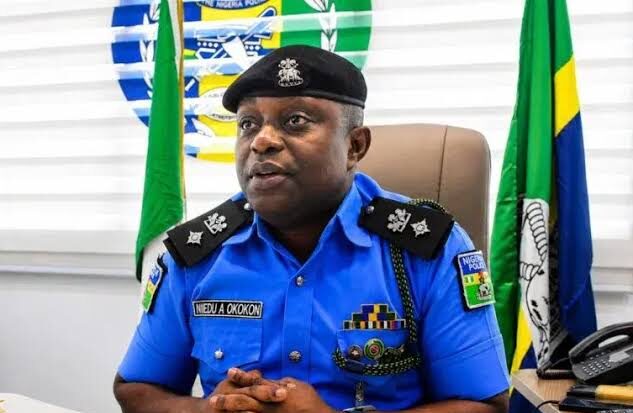
Force spokesperson, Ani Iniedu, said investigators uncovered evidence that the suspects allegedly forged official documents containing victims’ details, including National Identification Numbers, birth certificates, age declarations, affidavits and consent letters, purportedly to facilitate the criminal activities.
The suspects were identified as Emmanuel Ode, 23, of Auta Balifi, Nasarawa State; Dr Benjamin Oyime, 48, of Edo State, a nephrologist and kidney consultant to Wellington Hospital, Life Camp, Abuja; Dr Daniel Otukpa, 53, of Benue State, also a nephrologist and Acting Director of Clinical Services at Wellington Hospital; and David Idoko, 25.
Iniedu said Ode confessed during interrogation to recruiting victims under false pretences. According to the police spokesperson, Ode disclosed that on April 24, 2026, he lured Samuel Ezekiel, 22, to Wellington Hospital, Life Camp, Abuja, where his kidney was allegedly harvested for $1,250, equivalent to N1.7 million at the stated exchange rate.
A second victim also allegedly told investigators that the same agent had lured him to a hospital in 2022, where his kidney was reportedly harvested for N7 million.
Wellington Clinics, Abuja, has, however, denied involvement in alleged organ harvesting following the arrest of the suspects, insisting that it was cooperating with the police investigation.
In a statement, the hospital’s Director of Administration, Yemi Olatunbosun, said Samuel was admitted on April 24, 2026, as a “scheduled kidney donor”, underwent the relevant procedures and had a left donor nephrectomy that same day.
Olatunbosun said Samuel had deposed to an affidavit before an FCT High Court to conceal his identity and had falsely changed his name to “Mr Hassan Abubakar”. He said Samuel was accompanied to the hospital by a man identified as Abubakar Isa, who presented himself as his brother.
According to him, Samuel presented several documents, including a court affidavit, NIN slip, birth certificate issued by the National Population Commission, as well as affidavits of consent and age declaration.
He said the donor was discharged on April 28, four days after the procedure.
Olatunbosun further explained that the kidney removed from Samuel was immediately transplanted into a patient suffering from end-stage kidney failure. He maintained that Wellington Clinics neither facilitated nor negotiated any financial transaction relating to the transplant and did not benefit from any such transaction.
Rather, he said, the procedure was undertaken to save the life of a patient from what the hospital understood to be a willing donor.
He said the hospital’s role was limited to providing an equipped environment and operating theatre under a pre-agreed facility rental arrangement. According to him, the surgery was performed by a team led by Benjamin Oyimeh, a senior consultant nephrologist and chief executive officer of Crown Medical and Kidney Centre.
Following the emergence of the allegations, Wellington Clinics said it immediately suspended all renal transplant-related services pending the outcome of investigations. The facility reiterated its commitment to ethical and evidence-based healthcare and its willingness to cooperate with investigative and regulatory authorities.
The competing accounts surrounding the Wellington Clinics case have consequently heightened calls for a credible and independent investigation capable of establishing what actually occurred, rather than allowing allegations and counter-allegations to determine public perception.
Dr Carol Iwuoha, who also weighed in on the controversy, cautioned that claims of organ harvesting must be supported by credible evidence and properly authenticated before conclusions are reached.
But beyond the specific cases under investigation, medical practitioners and other stakeholders said the reported willingness of some Nigerians to sell their organs for money presented a broader social and public-health crisis.
A senior nurse at the Federal Medical Centre (FMC), Jabi, Abuja, who spoke anonymously, said organ harvesting had assumed a worrisome dimension in recent times. She cited reports from Nasarawa State and other locations, expressing particular concern over people reportedly surrendering their kidneys for as little as N7 million.
“Can N7m buy life?” she asked.
While acknowledging that there are legitimate circumstances in which kidney donation may be necessary, the nurse insisted that any donation carried out outside established legal and professional channels was unacceptable and should attract punishment under the law.
The controversy has also attracted political attention, with former Vice President and African Democratic Congress presidential candidate, Atiku Abubakar, raising the alarm over what he described as a growing trend of young Nigerians selling their kidneys to survive amid the country’s cost-of-living crisis.
In a post on X, Atiku said he had heard “disturbing stories” of young people resorting to selling body organs, particularly kidneys, in desperate attempts to raise money.
He argued that young Nigerians should be “selling dreams, ideas and innovation, not their body organs”, adding that the trend should “offend the conscience of every Nigerian.”
Atiku linked the development to the rising cost of living under the administration of President Bola Tinubu, citing the increasing cost of food, transport, rent, school fees, medicine and electricity as expenses that had become increasingly difficult for ordinary Nigerians to afford.
In Bayelsa State, medical expert and immediate past Vice Chairman of the Nigerian Medical Association, Dr Disi Ebiere, warned that Nigeria could face an even greater burden of kidney-related illnesses in the future if the reported trend of kidney sales continued.
Ebiere said the reported voluntary sale of kidneys was particularly troubling because people who make such decisions might not fully understand their lifelong consequences.
“People are also voluntarily selling their kidneys. I don’t even know why they do it, what informs their decision. Do they really understand the complications of kidney disease? Do they really know what they are getting themselves into?” she asked.
According to her, Nigeria is already experiencing an alarming increase in kidney-related illnesses, with the number of patients requiring dialysis rising considerably in recent years.
Ebiere recalled witnessing numerous cases of kidney failure since the COVID-19 period, including the death of a relative from end-stage kidney disease. She said demand for dialysis had been increasing tremendously, while available medical personnel were becoming increasingly overwhelmed.
The growing concern, therefore, extends beyond the legality of organ sales or the culpability of individuals and medical facilities allegedly involved. It has raised questions about the interaction between economic hardship, inadequate public awareness, weak regulatory enforcement and the desperation of vulnerable Nigerians.
The challenge, according to stakeholders, requires a response that combines credible investigation and prosecution of criminal networks with stronger regulation of transplant facilities, protection of prospective donors, public education and measures capable of reducing the economic desperation that makes vulnerable people susceptible to offers to sell parts of their bodies.
Medical practitioners, lawyers, community leaders and other concerned Nigerians have called on the Federal Government to intensify its fight against illegal organ harvesting, investigate credible allegations promptly and ensure that those found culpable are arrested and prosecuted.
The call followed growing concerns over organ trading in Nigeria, which stakeholders attributed largely to poverty, unemployment, economic hardship and ignorance, describing the development as a disturbing national concern. Correspondents of the Daily Champion across the country spoke with medical experts, lawyers, community leaders, activists, traders and other stakeholders, who broadly agreed that sustained public education must go hand in hand with severe punishment for erring medical practitioners and other perpetrators.
Human rights lawyer, Barrister GOC Owoh, warned that the unlawful removal of organs, particularly where there is no genuine consent, could expose perpetrators to legal battles and imprisonment, while leaving victims with potentially devastating medical consequences.
Owoh cautioned Nigerian youths against viewing the sale of body parts as a “quick fix for money”, stressing that it could leave victims sicker, poorer and burdened with lifelong health problems.
He said Nigeria could confront the menace through a four-pronged strategy built around the law, economic improvement, quality education and uncompromising enforcement. He urged the Federal Government to properly enforce the National Health Act and National Organ Donation Law, noting that Nigeria already prohibits the buying and selling of organs.
“Penalties must be made public and enforced,” Owoh said, adding that government should regulate transplant centres dealing with voluntary donors, restrict transplants to NHREC/NHIS-accredited hospitals and ensure that all donors and recipients are registered in a national database.
Beyond enforcement, Owoh said government must address the conditions that make people vulnerable to organ trafficking. He advocated youth empowerment programmes centred on skills acquisition, grants and employment opportunities, arguing that reducing desperation would make it more difficult for criminal networks to exploit vulnerable citizens.
He also called for mass awareness campaigns involving NAFDAC, the National Orientation Agency (NOA), NYSC, NCDC and non-governmental organisations, with campaigns targeted at schools, markets and social media to educate Nigerians on the dangers of organ trading and the fact that the practice is illegal.
According to him, traditional rulers, religious leaders and youth groups should be integrated into community-level surveillance to identify and report traffickers, while government should establish a dedicated organ-trafficking task force involving NAPTIP, the Police, DSS and Interpol to target organised syndicates rather than concentrating only on poor youths.
“Most traffickers are organised cartels,” he said.
Owoh also advocated the establishment of a government-managed National Cadaveric Donation Programme to promote voluntary and altruistic organ donation after death and reduce the pressure on patients to seek organs through the black market.
He further urged professional and criminal justice authorities to take decisive action against doctors involved in illegal organ harvesting. He identified the Medical and Dental Council of Nigeria (MDCN), which licenses doctors, as a key regulator capable of suspending or withdrawing medical licences and striking culpable practitioners off the medical register.
According to him, offenders could also be referred for criminal prosecution, while the Federal Ministry of Health, working with NHREC, should be empowered to de-accredit hospitals or transplant centres found culpable and blacklist them from NHIS.
Owoh said doctors involved in organ trafficking could be prosecuted alongside traffickers for conspiracy, assault and illegal medical practice, while NAPTIP could prosecute offenders under the Trafficking in Persons Act. He also called on the Nigerian Medical Association to expel culpable members and publish their names as a warning to the public.
“There needs to be a well publicised case where a doctor loses his/her license and goes to jail. That deterrence is what will make others think twice,” he said, adding that the ultimate objective should be to protect youths from exploitation because “poverty makes people vulnerable, but the law must protect life and human dignity.”
A medical practitioner and chieftain of the African Democratic Congress (ADC), Alhaji Yahaya Ndu, who was National Chairman of the defunct African Renaissance Party (ARP), similarly blamed the worsening economy for many anti-social activities.
Ndu warned that, apart from the possibility of organ rejection, improperly screened organs could transmit diseases including HIV, Hepatitis B and C and other infections.
A retired nurse in Cross River State, who spoke anonymously, described the unlawful removal and trafficking of human organs as dangerous and unethical, warning that it could result in permanent injury or death. She said government should not limit its response to investigating reported cases but must also tackle the poverty and ignorance that leave vulnerable people open to exploitation.
“People who are desperate because of poverty may easily fall into the hands of criminals who promise them money or medical assistance,” she said.
She urged government to educate Nigerians about legitimate organ donation and the dangers of undergoing unverified medical procedures, stressing that citizens need sufficient information to recognise suspicious practices and know where to seek help when threatened or exploited.
A private health practitioner and gynaecologist, Dr Dan Ajella, said some medical practitioners deliberately set aside professional ethics for immediate financial gain and should face the consequences of their actions. He went as far as saying that if the law provided for the death penalty, culpable practitioners should face it as a deterrent.
Ajella said the number of victims and unreported casualties suggested that the issue requires urgent attention, accusing government of often taking weak or no action on issues affecting vulnerable people. He called for organ harvesting to be treated as a criminal offence with full enforcement, noting that many victims lose their lives because of complications arising from inadequate post-surgical care.
Former Kogi State Deputy Governor and ADC chieftain, Elder Simon Achuba, called for a clear legal framework to sanction and sentence doctors and other medical personnel found culpable. He said Nigerians and foreigners were involved in such “unholy acts” and argued that the law should provide severe punishment, including life imprisonment, for perpetrators.
Achuba also called for greater public sensitisation on the health implications of organ harvesting and urged medical regulatory bodies to effectively sanction defaulters.
A pharmacist and owner of a pharmacy in Lugbe, Abuja, Jonathan James, said there was no justification for trading human organs for financial gain. He urged health practitioners to uphold professional standards and called for full enforcement of the laws governing medical practice.
Health expert, Dr Bernard Ifema, warned that illegal organ removal could expose victims to uncontrolled bleeding, infections, damage to vital organs, permanent disability and death, particularly where procedures were conducted without appropriate medical standards.
“Organ harvesting, when carried out illegally and without proper medical and ethical procedures, can have devastating consequences for the victim,” he said.
Ifema called for stronger regulation of medical facilities and closer monitoring of practitioners suspected of violating professional standards. He said professional misconduct should be addressed through regulatory channels, while criminal allegations should proceed to prosecution where evidence establishes criminal conduct.
He urged medical regulators to investigate complaints, summon practitioners where necessary, conduct disciplinary proceedings and suspend or withdraw licences when violations are established. He also advocated stronger cooperation between regulators, the police and other relevant agencies, while urging Nigerians to report suspicious practices and avoid unlicensed facilities or individuals offering questionable medical procedures.
Across the country, stakeholders consistently linked the organ trade to broader socioeconomic vulnerability. They urged government to tackle poverty through job creation, social protection and access to basic healthcare, arguing that reducing economic desperation would make it harder for criminal elements to prey on vulnerable citizens.
They maintained that ending illegal organ harvesting would require a combination of effective enforcement, public education, poverty reduction and strict professional accountability, with credible allegations investigated promptly and anyone found guilty punished according to law.
In Akwa Ibom State, activist Mr John Okon called for public sensitisation to be taken to motor parks and rural communities in local languages, noting that some youths wrongly believe that “kidney grows back.”
A trader, Mrs Atim Akpan, urged the National Orientation Agency, churches and mosques to educate Nigerians about the dangers, while mothers should warn their children against alleged Facebook agents.
Bishop Barr Favour Okokon of Blessed City Christian Church, Uyo, said effective education could discourage vulnerable youths from accepting seemingly attractive financial offers.
“Once a boy knows he may die or live disabled, he will say no to N2 million,” he cautioned.
Okokon advocated radio jingles, civic education in Igbo, Yoruba, Hausa and pidgin, as well as empowering traditional rulers to conduct community surveillance through mechanisms including town criers.
Dr Etido Ibekwe, a former leader of the Akwa Ibom State House of Assembly and now a medical practitioner in Uyo, warned that illegal surgeries conducted in hotels could result in bleeding, infection, HIV, hepatitis and death. Survivors, he added, could later develop hypertension and kidney failure because such procedures typically lack proper screening and follow-up.
Public health physician Dr Udoh Umanah said victims could suffer chronic pain, depression, inability to perform hard labour and stigma, stressing that the financial proceeds could disappear within months while the physical and psychological damage could last a lifetime.
Umanah said government could eliminate the practice or reduce it to the barest minimum by creating jobs and reducing vulnerability. He also proposed a National Transplant Registry with mandatory pre-approval, free treatment and rehabilitation for victims, alongside promotion of voluntary, non-commercial organ donation.
Okokon further said that under the National Health Act 2014, illegal organ trade attracts five to 10 years imprisonment, while the MDCN should permanently strike off culpable doctors, revoke their licences, seal implicated facilities and hand offenders over to NAPTIP or the Police for criminal prosecution.
He also proposed publishing the names of culprits in national newspapers and requiring all transplant centres to report every case to a central database.
“Proper education will be of paramount importance and prevent new victims, severe sanctions will deter rogue doctors, and poverty reduction will remove the bait,” he said.
In Imo State, Dr Madu Ezeh said the rise in organ harvesting was being propelled by abject poverty and had become a source of concern across the country. Other stakeholders, including health experts, legal practitioners and community leaders, called for federal and state policies specifically targeting health officials, particularly doctors who compromise professional standards by becoming involved in the practice.
Chief Gilbert Onyeoziri, traditional prime minister of a community in Ohaji/Egbema Local Government Area, urged government to mount a serious campaign against the practice, while Professor Gideon Ezeifedi called for government enlightenment programmes on its consequences to be delivered through agencies responsible for disseminating government information and policies.
The issue has also taken on a deeply personal dimension for some families. Chief Gladys Emeghara, a businesswoman in Imo State, disclosed that her son was allegedly abducted and killed in 2023, with his vital organs allegedly harvested by unknown abductors.
She called on federal and state governments to demonstrate greater seriousness in tackling the crime, arguing that government officials should move beyond politics and pay greater attention to citizens’ health and security. She said organ harvesting had become too rampant in the state and noted that some cases in rural communities were never made public.
Emeghara also urged the Nigerian Medical Association to strengthen its monitoring of members, while community leader Chief Ebenezer Osuagwu called on the police to take more proactive measures against the menace.
In Bayelsa State, Dr Disi Ebiere, a medical expert and immediate past Vice Chairman of the Nigerian Medical Association, warned that people who voluntarily surrender one kidney could expose themselves to serious health complications, particularly if the remaining kidney is already compromised.
Although a person can live with one healthy kidney, she explained, the danger arises when the remaining kidney is not functioning optimally and the individual is unaware of its condition. She warned that a person left with a compromised kidney could eventually develop serious health problems and predicted that Nigeria could face more kidney-related illnesses in the future.
Ebiere said Nigeria is already experiencing an alarming increase in kidney-related illnesses, with the number of patients requiring dialysis rising considerably in recent years. She recalled witnessing numerous cases of kidney failure since the COVID-19 period, including the death of a relative from end-stage kidney disease, and said dialysis demand was increasing tremendously while available personnel were becoming overwhelmed.
She also expressed concern about unregulated herbal mixtures and concoctions used during the COVID-19 period, when fear and stigma caused some people to avoid hospitals and resort to traditional remedies. According to her, some of the substances in agbo and other concoctions could damage the kidneys.
Ebiere said the reported voluntary sale of kidneys was particularly troubling because people might not understand the lifelong consequences of such decisions.
“People are also voluntarily selling their kidneys. I don’t even know why they do it, what informs their decision. Do they really understand the complications of kidney disease? Do they really know what they are getting themselves into?” she asked.
She called on the NMA to embark on aggressive public enlightenment through radio, television and other platforms to educate Nigerians about kidney disease, organ donation and the dangers of illegal organ trading. She argued that many people did not understand the implications of losing one kidney and stressed that although one healthy kidney can sustain a person, that does not justify unsafe or uninformed organ removal.
Ebiere also questioned the assumption that transplantation necessarily provides a permanent solution, noting that a transplanted kidney could fail within a year or, in some cases, after two years.
She said the financial rewards offered to vulnerable people were insignificant compared with the potential lifelong consequences, noting that some people received about N5 million, an amount that could be spent very quickly.
While medical experts have concentrated on the health implications, Dr Olurami Olale, a lecturer at the Federal University Otuoke, Bayelsa State, argued that the economic circumstances pushing people into desperation must also be addressed.
Olale said widespread poverty and economic hardship had created conditions in which some citizens could contemplate selling parts of their bodies simply to survive. He argued that institutions had failed to adequately address the desperation created by poverty, saying people pushed to the wall could resort to extreme survival measures, including selling vital organs.
He was particularly disturbed that the healthcare sector could become entangled in practices that expose vulnerable people to exploitation. According to him, even medical professionals can come under economic pressure and engage in unethical practices.
Olale urged Nigeria to look beyond immediate survival and deliberately plan for future generations, arguing that the country was consuming resources and opportunities that should belong to them. He said improving citizens’ welfare was central to addressing the underlying causes of organ trading.
For some Bayelsa residents, reports of organ harvesting represent another disturbing symptom of a society under severe economic pressure and weak social protection.
Mr Jovietuo Joseph described the situation as increasingly becoming a “survival of the fittest” and urged leaders to pay greater attention to the welfare of ordinary citizens rather than focusing solely on political ambitions and personal wealth.
He said poverty and ignorance were leaving people vulnerable to dangerous decisions, including the sale of vital organs.
Another resident, Mr Kenneth Otuogie, linked economic hardship and unemployment to different forms of social desperation, saying that while some young people were pushed towards prostitution or armed robbery, others could be tempted by the financial incentives associated with illegal organ trading.
Media consultant Patrick Monday, however, argued that poverty alone did not explain the problem, saying ignorance was another major factor. He said many young Nigerians did not fully understand the importance of vital organs such as the kidneys, liver, heart and skin, making them susceptible to exploitation by criminal networks.
Monday said recent alleged organ transactions showed that some victims received little or no benefit despite surrendering parts of their bodies. He called on federal and state governments, the National Orientation Agency, security agencies, health institutions and professional medical bodies to sustain nationwide awareness campaigns.
He also urged authorities to clearly explain the legal framework governing organ donation, who qualifies to donate and the medical conditions under which such procedures can lawfully be conducted.
Head of News at Love FM Abuja, Akin Oyewole, similarly called for comprehensive public education on organ donation and trafficking. He observed that although some victims reportedly signed consent forms and affidavits, many might not have fully understood what they were consenting to.
He said institutions must go beyond simply relying on consent documents and ensure that prospective donors understand lawful medical procedures, their rights and the tactics allegedly used by criminal syndicates to deceive vulnerable people. Effective awareness campaigns, he added, would empower citizens to ask appropriate questions before undergoing medical procedures.
Medical practitioner Dr Ishember Tabitha Kutim attributed the problem to poverty and weak enforcement of regulatory laws. She noted that trained medical professionals were taught to preserve lives and were bound by professional ethics.
As a preventive measure, she advised patients to carefully understand and sign informed consent forms before surgery and, where necessary, seek independent post-operative medical evaluations to establish that only authorised procedures were performed. She also called for sustained nationwide awareness campaigns on citizens’ rights and legal protections.
Senior Medical Officer at Limi Hospital and Maternity, Abuja, Dr Michael Enyinnaya Omoke, said medical regulators could sanction doctors involved in organ harvesting by removing their names from professional registers and temporarily or permanently withdrawing their licences.
He also called for the revocation of the operational licence of any hospital involved, prosecution of culpable doctors and imprisonment or fines where guilt was established.
Omoke described organ harvesting as a real and ravaging problem and warned Nigerians against online promises relating to medical services. He urged citizens to reject commercial organ buyers, arguing that many kidnapping cases were actually driven by organ harvesting, and advised Nigerians to use only certified and accredited health facilities, verify medical claims and understand informed consent.
Pharmacist and medical writer Pharm. Blessing Sunday stressed the need to distinguish between lawful, properly regulated organ donation and illegal organ removal or commercial sale.
She explained that although a person can live with one healthy kidney, kidney removal remains a major surgical procedure carrying risks associated with surgery and anaesthesia, including bleeding, infection, blood clots and other complications. After removal, the remaining kidney must perform the body’s filtering functions.
Sunday said medically supervised kidney donors could remain healthy with one kidney, but not everyone was automatically suitable for donation and kidney removal was not risk-free. Potential living donors should undergo careful medical and psychological assessment and give voluntary, informed consent.
The situation becomes particularly dangerous, she said, when a person is coerced, deceived, inadequately assessed or operated on in an unregulated environment where proper screening, surgical care and follow-up may be absent. She also pointed to psychological and social harm, particularly where an organ is removed without consent or where someone is pressured into selling an organ because of financial hardship.
She warned Nigerians not to interpret reports of people living with one kidney as evidence that selling a kidney is a safe way to make money. Being able to survive with one kidney, she stressed, does not make its removal without appropriate medical and ethical safeguards safe or acceptable.
Sunday said poverty, unemployment and lack of awareness could make people sufficiently desperate to accept dangerous offers without understanding the consequences.
“People need to know that an offer to pay them large sums of money for a kidney is not simply an unusual employment opportunity. It should immediately raise a serious red flag,” she said.
She called for proper investigation of doctors suspected of involvement and said offenders should face both professional disciplinary action and criminal investigation where the evidence supports it. She added that accountability should extend beyond individual doctors to hospitals and other persons who knowingly permit illegal transplantation activities.
Public affairs analyst Chucks Ukwuatu described reports and allegations surrounding illegal organ harvesting as deeply disturbing and deserving of urgent national attention. He said the issue exposed citizens to exploitation arising from poverty, desperation, ignorance and lack of access to credible information.
In Anambra State, Igbo spiritual leader, Ogirisi Igbo, Chief Rommy Ezeonwuka, who is also Chief Executive Officer of Rojenny Tourist Village/Stadium, Oba, offered a different perspective, lamenting what he described as a refusal by some people, particularly among the Igbo, to listen to reason. He called for changes in attitudes towards corpses and employment opportunities, among other issues.
Chairman of the Civil Liberties Organisation (CLO), Anambra State, Comrade Vincent Ezekwueme, said poverty, hardship, hopelessness, greed, materialism, frustration and an unbridled quest for wealth contributed to organ harvesting.
He called for urgent reorientation and education of youths and citizens on the sanctity of human life, as well as stringent laws banning the buying and selling of human parts, while encouraging people willing to freely donate organs to sick siblings, friends and loved ones.
Former Chairman of the Nigerian Medical Association, Abia State chapter, Dr Mrs Carol Iwuoha, however, urged caution over the reports, saying there should be evidence to support claims of organ harvesting. She questioned the sources of the reports and asked whether there was empirical evidence to substantiate the assertions.
Dr Igwe Emmy, a private medical practitioner in Abia State, said that if the reports were authenticated by empirical evidence, severe penalties were available under Nigerian law. He said illegal dealings in organs could attract up to five years imprisonment without the option of a fine for illegal commercial transactions involving deceased donors, while non-consensual surgery could attract charges of grievous assault carrying penalties ranging from about 14 years to life imprisonment. He added that each state in Nigeria has its own penalties for such life-threatening offences.
But across the wider debate, the consensus among the medical, legal and community stakeholders interviewed is that Nigeria cannot tackle illegal organ harvesting through arrests alone.
They argue that enforcement must be matched by public education, tighter regulation of hospitals and medical practitioners, transparent transplant procedures, effective monitoring of transplant centres, community surveillance and a national system for tracking donors and recipients. Just as importantly, they maintain that the economic vulnerability driving desperate Nigerians towards dangerous offers must be addressed through employment, social protection, healthcare access and broader poverty reduction.
For the stakeholders, the ultimate battle is therefore twofold: protect Nigerians from criminal networks and unethical medical practitioners while removing the poverty and ignorance that make vulnerable citizens easy targets in the first place.
For a better society
_______________________________
Follow us across our platforms:
Instagram – https://www.instagram.com/championnewsonline/
Facebook – https://web.facebook.com/championnewsonline
LinkedIn – https://www.linkedin.com/company/champion-newspapers-limited/
https://x.com/championnewsng/
You can also like and comment on our YouTube videos.
https://youtu.be/QIBfD1tT80w?si=R4Qf3so2LxYu3GC2