
Ignatius Okorocha, Abuja
Chairman of the Independent National Electoral Commission (INEC), Prof. Mahmood Yakubu has called for increased collaboration with the broadcast media to tackle the menace of fake news, disinformation and misconceptions about the Commission and Nigeria’s electoral process.
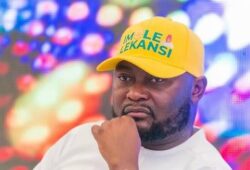
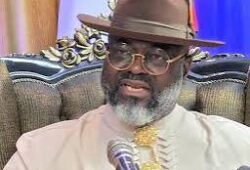
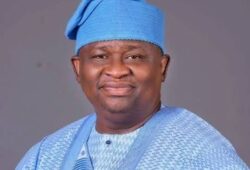
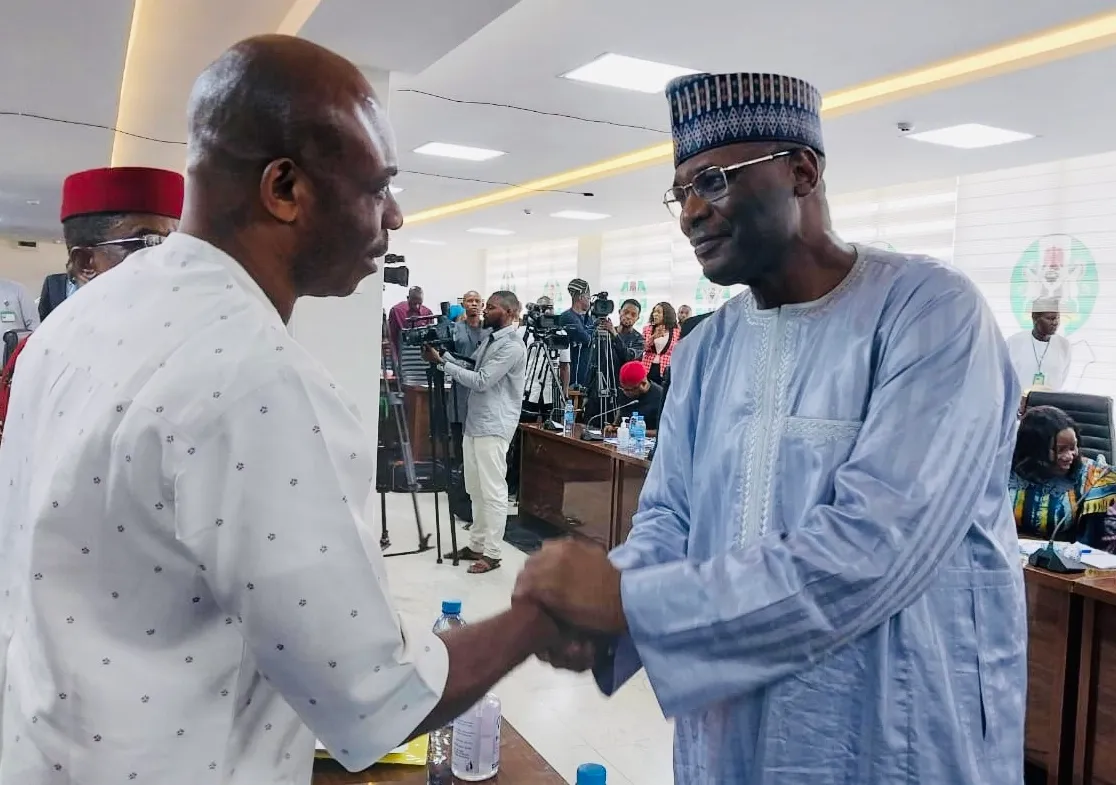
Speaking at the opening of a Two-Day Interactive Workshop for Broadcast Media Anchors on 25th October 2024 at Radisson Blu Hotel Ikeja, Lagos; Prof. Mahmood Yakubu represented by the National Commissioner and Chairman Information and Voter Education Committee (IVEC), Mr. Sam Olumekun highlighted the essential roles of media anchors in upholding electoral integrity.
The theme of the workshop was “Contextualizing INEC’s Responsibilities and Public Expectations amid Fake News and Disinformation,”the workshop aimed to equip media professionals with essential tools and knowledge for accurate reporting on electoral issues and effective management of public expectations.
The event was organized by INEC in collaboration with the European Union through the International Press Centre (IPC) Development Alternatives Incorporated (DAI) and Centre for Media and Society (CEMESO).
Prof. Yakubu outlined INEC’s mandate, which includes responsibilities such as voter registration, regulation of political parties, election management, voter education and safeguarding electoral integrity.
He noted that while the Commission has made significant progress in enhancing transparency and voter confidence through technology such as the Bimodal Voter Accreditation System (BVAS) and the INEC Result Viewing Portal (IReV) to enhance transparency and boost voter confidence, the Commission continues to face obstacles including logistical challenges, security issues and the pervasive spread of fake news.
He emphasized that organizing elections in a vast and diverse country like Nigeria presents significant logistical challenges while noting that the Commission’s workforce includes 15,000 permanent staff and up to 1.2 million ad-hoc personnel during general elections.
Prof. Yakubu expressed concern over the pervasive threat of fake news and disinformation, describing it as a deliberate attempt to mislead the public and undermine trust in democratic institutions. He cautioned that such falsehoods have the potential to sway electoral outcomes and provoke unrest.
The INEC Chairman stressed the media’s responsibility to go beyond reporting events by also acting as fact-checkers and educators. He urged journalists to verify information before publication, swiftly counter misinformation and educate the public about the electoral process.
Prof. Yakubu urged broadcast media professionals to recognize the power of their platforms and the ethical responsibility this entails. He stressed the importance of prioritizing accuracy over speed in news reporting especially during election periods and called for proactive media engagement in countering disinformation.
He praised the broadcast media’s participation in the workshop, describing it as a valuable step towards bridging the gap between INEC’s responsibilities and public expectations. He reassured participants of INEC’s commitment to delivering timely, accurate information and maintaining open channels for constructive feedback and engagement.
In his welcome remarks, the Resident Electoral Commissioner (REC) Lagos State, Prof. Ayobami Salami highlighted the damaging impact of fake news on the credibility of Nigeria’s elections, noting that misinformation can distort public opinion and foster distrust in the electoral process. He stressed the importance of delivering untainted information, as this would enhance public confidence in democratic institutions and electoral outcomes.
Prof. Salami called for a collective effort to curb the spread of fake news, stating that all stakeholders must take responsibility to ensure a truthful and transparent flow of information.
Outlining the workshop objectives, the Chief Press Secretary to the INEC Chairman, Rotimi Oyekanmi noted that misunderstandings of electoral laws often lead to misplaced expectations and unfounded accusations against the Commission.
He cited, for instance, how many Nigerians mistakenly hold INEC accountable for irregularities in local government elections, although these are managed by State authorities except those in the Federal Capital Territory.
He explained that INEC has made significant efforts to educate the public about its procedures and legal framework, yet lack of awareness still exists.
He pointed out that this knowledge gap is evident in public discussions where guests on live radio and television programs make inaccurate claims about the Commission’s activities causing the public to accept and disseminate these false narratives.