
Njemanze Emmanuel G. C., Abuja
The Federal Government has developed an implementation framework for the National Feed and Fodder Policy as part of ongoing efforts to transform Nigeria’s livestock sector, improve productivity, reduce production costs, strengthen food security, promote peaceful coexistence between farmers and pastoralists, and create sustainable income opportunities for livestock farmers.
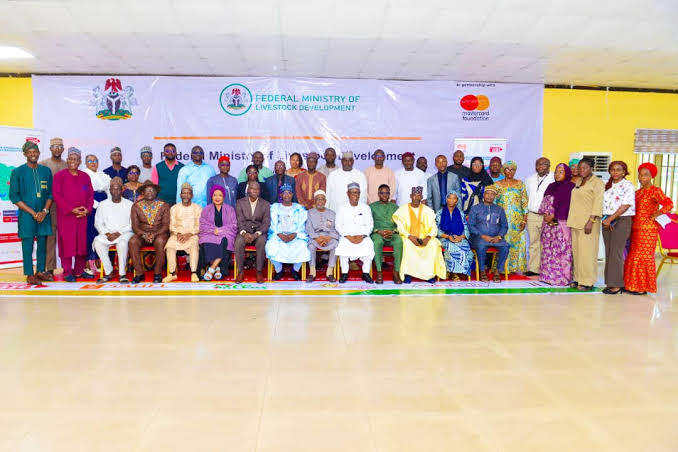
The Minister of Livestock Development, Alhaji Idi Mukhtar Maiha, disclosed this on Monday, October 19, 2026, in Abuja, at a three-day stakeholders’ workshop organised to develop the implementation framework for the policy.
The Minister described the availability of adequate, affordable and quality feed and fodder as fundamental to sustainable livestock development, noting that inadequate access to animal feed remains one of the major challenges confronting livestock production in Nigeria.
According to him, feed and fodder account for approximately 70 per cent of the total cost of livestock production, making their availability, accessibility, quality and affordability critical to improving productivity and enhancing the profitability of livestock enterprises.
He explained that, seasonal shortages of pasture and water continue to constrain livestock production and intensify competition over natural resources, sometimes resulting in conflicts between farmers and pastoralists.
Maiha stressed that developing a sustainable feed and fodder value chain would help address these challenges by encouraging livestock owners to adopt organised production systems that ensure adequate feeding and proper management of their animals.
He noted that, when livestock producers have sufficient feed resources, the need for animals to roam in search of pasture would be significantly reduced, thereby minimising crop destruction, disputes over farmland and other resource-related conflicts.
The Minister, therefore, called for a transition from overdependence on unmanaged natural grazing to organised, commercially viable and climate-resilient feed and fodder production systems capable of ensuring year-round availability.
Highlighting opportunities for expanding Nigeria’s feed resources, Maiha urged stakeholders to harness agricultural by-products, particularly rice straw and other crop residues, which are often wasted despite their potential value as livestock feed.
Drawing from his personal experience in livestock farming, the Minister explained how rice straw could be collected, preserved and supplemented with other feed materials to support animal nutrition, particularly during periods of scarcity.
He identified rice-producing communities in Kebbi, Niger, Jigawa and Benue States as areas with considerable potential for recovering agricultural residues and converting them into valuable livestock feed resources rather than allowing them to go to waste or be burnt.
“Nigeria has considerable opportunities to address feed shortages through better resource utilisation, improved storage and preservation methods, fodder cultivation and investment in appropriate technologies,” the Minister stated.
He also emphasised the need to strengthen fodder seed production and promote suitable, resilient grass varieties adapted to the country’s diverse ecological zones.
Maiha encouraged stakeholders to embrace innovative and scientifically informed approaches to feed production, noting that sustainable livestock development would depend on practical solutions, effective partnerships and the responsible utilisation of available resources.
Earlier in his presentation, the Director of Ranch and Pastoral Resources Development in the Ministry, Dr. Hakeem Ibilade, outlined the key objectives of the workshop, which include developing a national implementation framework, strategic alignment matrix, roles and responsibilities matrix, resource mobilisation strategy, and monitoring and evaluation (M&E) framework.
Dr. Ibilade explained that the workshop was designed to address recurring dry-season shortages of feed and fodder through sustainable interventions that would ensure a consistent supply throughout the year.
He stressed the need to translate the policy from planning into practical implementation, eliminating the recurring situation in which feed availability fluctuates between periods of abundance and scarcity.
For a better society
_______________________________
Follow us across our platforms:
Instagram – https://www.instagram.com/championnewsonline/
Facebook – https://web.facebook.com/championnewsonline
LinkedIn – https://www.linkedin.com/company/champion-newspapers-limited/
https://x.com/championnewsng/
You can also like and comment on our YouTube videos.
https://youtu.be/QIBfD1tT80w?si=R4Qf3so2LxYu3GC2