…targets 20 institutions in transportation palliative project by 2027
Blessing Taiwo
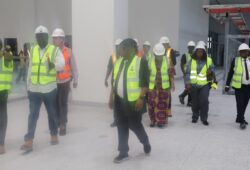
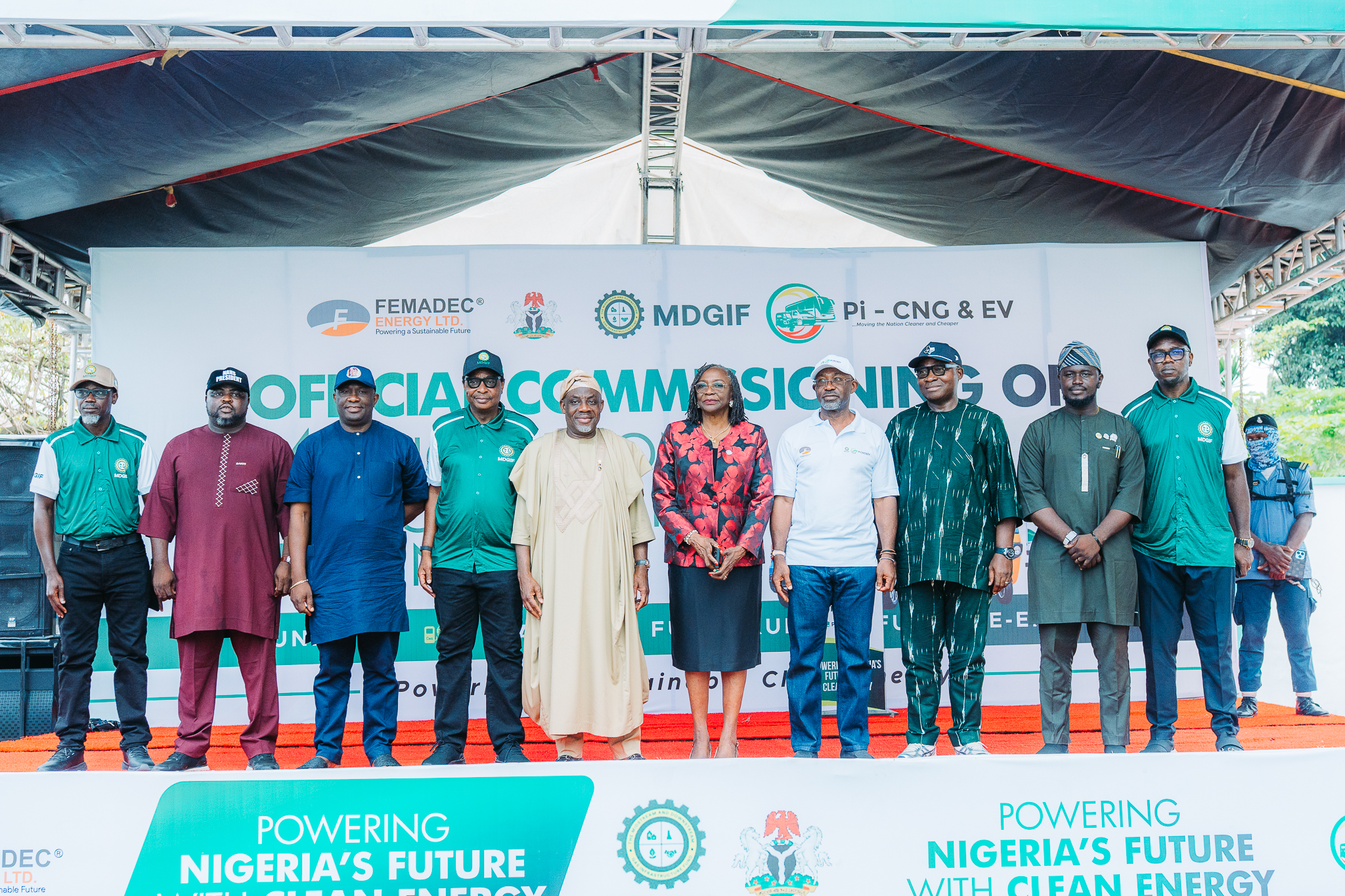
The Federal Government, on Friday, inaugurated four Compressed Natural Gas (CNG) stations and conversion centres in southwest federal universities to provide a more affordable and cleaner fuel, thereby reducing cost of transportation for students and staff.
The varsities are: University of Lagos (UNILAG), University of Ibadan (UI), Federal University of Technology, Akure (FUTA) and Federal University, Oye-Ekiti (FUOYE) where the facilities commissioning took place simultaneously at their locations.
The project was carried out through the Special Palliative Relief on University Transportation, known as Project SPROUT and executed by FERMADEC Energy Ltd with the support of the Midstream and Downstream Gas Infrastructure Fund (MDGIF).
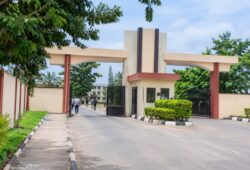
Speaking during the inauguration ceremony held at the University of Lagos, Akoka, the Minister of Education, Dr Tunji Alausa said the programme is targeted at 20 federal universities across the six geopolitical zones in Nigeria.
Alausa noted that the conversion centres will also offer opportunities of practical learning for engineering students.
“I encourage UNILAG and the other participating Universities to work with the operators to give Engineering and other relevant students supervised exposure to vehicle conversion, equipment maintenance and station operations,” he said.
The minister stressed that the federal government is addressing the issue of high cost of transportation for students through the project SPROUT.
“For most of our students who make several trips a day between their accommodation, lecture halls and laboratories, even a modest saving on each journey can make a difference.
“The switch to CNG reduces running costs, I therefore urge University managements and transport operators to work together so that students share in those savings through affordable fares and dependable shuttle services,” he said.
In her remarks, the Vice Chancellor of UNILAG, Professor Folasade Ogunsola said the project aligns closely with the institution’s commitment to sustainability.
Ogunsola maintained that transitioning towards cleaner energy, improving energy cost, reducing environmental footprint, to reducing the cost of transportation are important elements of the university’s ambition.
According to her, the benefits of the facility extend beyond the provision of fuel as it provides an opportunity for academics to engage with emerging energy technologies and evolving energy landscapes.
“It creates possibility for research, teaching, innovation, and student projects in areas such as alternative fuels, energy systems, environmental sustainability, engineering, and public policy. We hope this facility will serve as a living laboratory where knowledge can be translated into practical solutions.
”This enhanced access to CNG refueling offers the prospect of more affordable transportation and reduced operating cost for vehicles converted to CNG,” she said.
The VC lauded the President Bola Tinubu’s administration for its vision and commitment to promoting the welfare of students and staff, and enhancing cleaner and more affordable energy alternatives.
She further commended MDGIF and Femadec Energy Ltd, who partnered together to make the project a reality.
“The collaboration demonstrates how government, the private sector, and institutions of higher learning can work together to deliver practical solutions to national development challenges,” she commented.
Also speaking, the Executive Director of MDGIF, Oluwole Adama stated that the UNILAG CNG station is the 11th station being inagurated in Lagos.
Adama disclosed that in two years, MDGIF has supported the delivery of 25 fully operational CNG stations nationwide, bringing cleaner, more affordable fuel closer to motorists and transport operators.
He said, “Under Section 52 of the Petroleum Industry Act, MDGIF exists to turn viable gas investments into working infrastructure. Today, our portfolio stands at 31 projects made up of 205 infrastructure assets across the country.
“But the figure that matters most to me is not the number of stations. It is the number of Nigerians who can put this infrastructure to productive use.”
The MDGIF boss charged students to engage the facilities for skills development and research on smarter energy systems.
“To the students of UNILAG, let me speak to you directly. This facility is not only about refuelling vehicles. It is about the future you are preparing to build. Behind every CNG station are engineering, digital systems, safety, maintenance, research and enterprise. These are fields where your ideas and skills belong. So do not see this as somebody else’s industry.
“Ask questions. Study the technology. Build solutions for safer operations, better service and smarter energy systems. A university should not merely host infrastructure; it should help shape the talent and innovation around it.
“If, years from now, a UNILAG graduate tells us, “My career began because I saw what was possible here,” then this commissioning will have achieved something far greater than a ceremony,” he stated.
Earlier in his address, the Chief Executive Officer of FEMADEC Energy Ltd, Engr. Fola Akinnola said that each station is designed as a living laboratory to provide hands-on training to students.
“Engineering and technical students across our partner institutions will gain direct exposure to gas infrastructure management, vehicle conversion, maintenance, and international safety standards—preparing the next generation of Nigerian energy professionals,” Akinnola said.
He noted that with the launch of the four facilities, there are presently 11 CNG stations in federal universities nationwide, assuring that the number will hit 20 early next year.
“Our journey began with our first three pioneering campus stations at the University of Abuja (UNIABUJA), Obafemi Awolowo University (OAU), and the Federal University of Technology, Owerri (FUTO).
“Just days ago on Tuesday, we built on that foundation by commissioning four additional facilities across the South-South and South-East—at the University of Uyo (UNIUYO), the University of Calabar (UNICAL), the Federal University of Petroleum Resources, Effurun (FUPRE), and the University of Nigeria, Enugu Campus (UNEC). With today’s commissioning across UNILAG, UI, FUTA, and FUOYE, we proudly bring our cumulative footprint to 11 tertiary institutions commissioned nationwide,” Akinnola stated.